
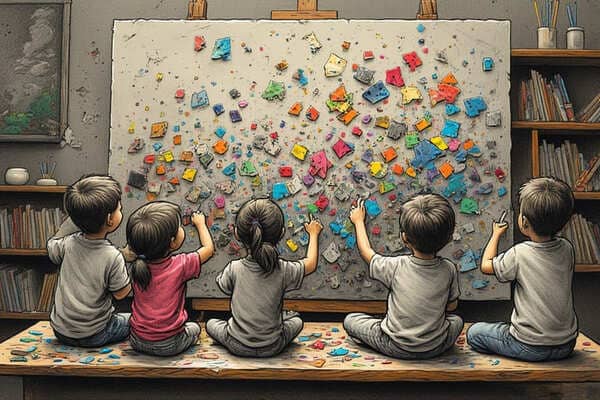
In today's busy world, parents and educators are looking for creative children's activities that support development and foster creativity. Coloring pages are an easy, but underappreciated tool for children's development. Coloring benefits children by not only fostering creative artistic expression, but building other important development skills, as well. The benefits of coloring for kids are supported by research and can easily be incorporated into daily life. This article will show how coloring can support child development, as well as increase creativity, concentration, and confidence, along with ideas to help you use coloring to its fullest advantage.
The Developmental Power of Coloring
Coloring fosters creativity by encouraging kids to try combinations of color, patterns, and themes. When children pick up crayons or markers, they enter a space where imagination takes over, and they can picture stories or situations outside the lines on the page. This also develops problem-solving skills when children have to make decisions about how to fill in space or how to blend colors together, creating a colorful and detailed creation from a simple black and white outline.
There is research that also supports this idea. Studies had reported that creative activities dramatically improves self-confidence, and a whopping and somewhat unbelievable 92% of participants ages 6-12 said they were more confident. The studies also reported that 59% of the participants felt pride in what they created, and 52% felt a sense of accomplishment after participating in a creative activity. Completing a color page helps a child feel they have accomplished something, which aids to their self-esteem and resilience.
Moreover, coloring helps enhance concentration and focus. When coloring and staying within the lines, the child uses their intense focus to not color the lines of a page. This practice teaches young minds to block out distractions of the world around them to practice focus during an activity, much like mindfulness practice. Similar to meditation, coloring helps cause a redirect of focus, and as a result, helps reduce the feeling of stress and stimulates relaxation.
Educational resources indicate that engaging in art is helpful in calming the fear center of the brain and promotes emotional regulation and sustained attention. Although the study used adult participants, the students assigned either to the mandala or coloring tasks reported lower anxiety and greater cognitive performance (e.g., improved focus and task completion) compared to their control condition. Creating art like coloring can be useful for improving children’s hand-eye coordination and fine motor skills, both critical skills for writing.
Coloring encourages emotional growth by providing a safe place to be creative and express themselves. Children select colors that align with their emotional state - more vibrant colors when they are happy and more muted colors when they are frustrated. It builds emotional intelligence. Research shows that engaging in such activities contributes to decreased stress and improved mental health. 52% of 6- to 7-year-olds and 51% of 8- to 12-year-olds are engaged in a creative activity most days.
Actionable Strategies for Enhancing Creativity
To take advantage of the coloring aspect for children, consider these creative ideas:
- Integrate Storytelling and Color: Share a coloring page depicting a scene, for example, an adventure in a forest or a superhero, and let children create the storyline using the illustration. Ask the class questions like "What happens next?" or "Why did the character go that way?" The purpose is to integrate a visual art and verbal creativity, which will support children's storytelling abilities and imagination.
- Make collages from Colored Pages: After children have colored several pages, have them cut out elements such as animals or shapes and re-arrange to create a collage. This will further support their decision-making skills, as well as allowing their creativity and choice, in developing it into a shared art piece from pages they have created, Additionally you can tie in curriculum learning about recycling or re-use items, while strengthening children's fine motor skills.
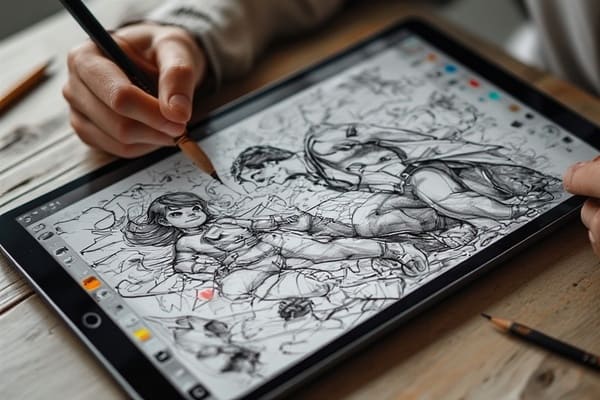
- Use Technology for Coloring: If you want to take advantage of other resources and benefit to coloring, check out free apps and websites with interactive pages where kids can experiment with "brushes" and animate their colored creations. Kids can be introduced to digital literacy on top of traditional benefits and should have accessible fun creative activities, while you log progress that helps them build confidence.
Wrapping Up the Canvas
Add coloring pages to the routine of a child when you can. This inexpensive and simple but very effective way to develop creativity, sustained focus, and confidence can benefit students greatly, no matter their age. It has been documented that when children are engaged in creative play, 65% of kids feel happy or excited, which is a very powerful influence. Indeed, all it takes it a compliment of encouragement to capture your little one’s attention; all you have to do is hand the crayons as they get started, and the real magic will happen. So, encourage your child to grab a fresh pack of crayons today. The benefits of coloring will happen far beyond the page and, as the artist fills in each color, the child's overall well-being and future destiny become more colorful.